

We’ve been talking about burnout for years, but sometimes it feels like organizations are no closer to solving it. In 2024 according to a study by SHRM, 44% of employees feel burned out, 45% feel emotionally drained, and 51% feel “emotionally used up” by the end of the work day. Most of us know that burnout takes a terrible toll not just on individuals but upon company culture and success, but it’s hard to know how to prevent it.
One answer might be that we’re looking at the final destination when we should be studying the journey — recognizing the five stages of burnout is key to preventing burnout in its worst final form.
For HR professionals and senior leaders, recognizing the early stages of burnout is critical to preventing its escalation and fostering a thriving workplace culture. In this blog, we’ll explore how to identify burnout early and implement actionable strategies to address it before it becomes a crisis.
What is Burnout?
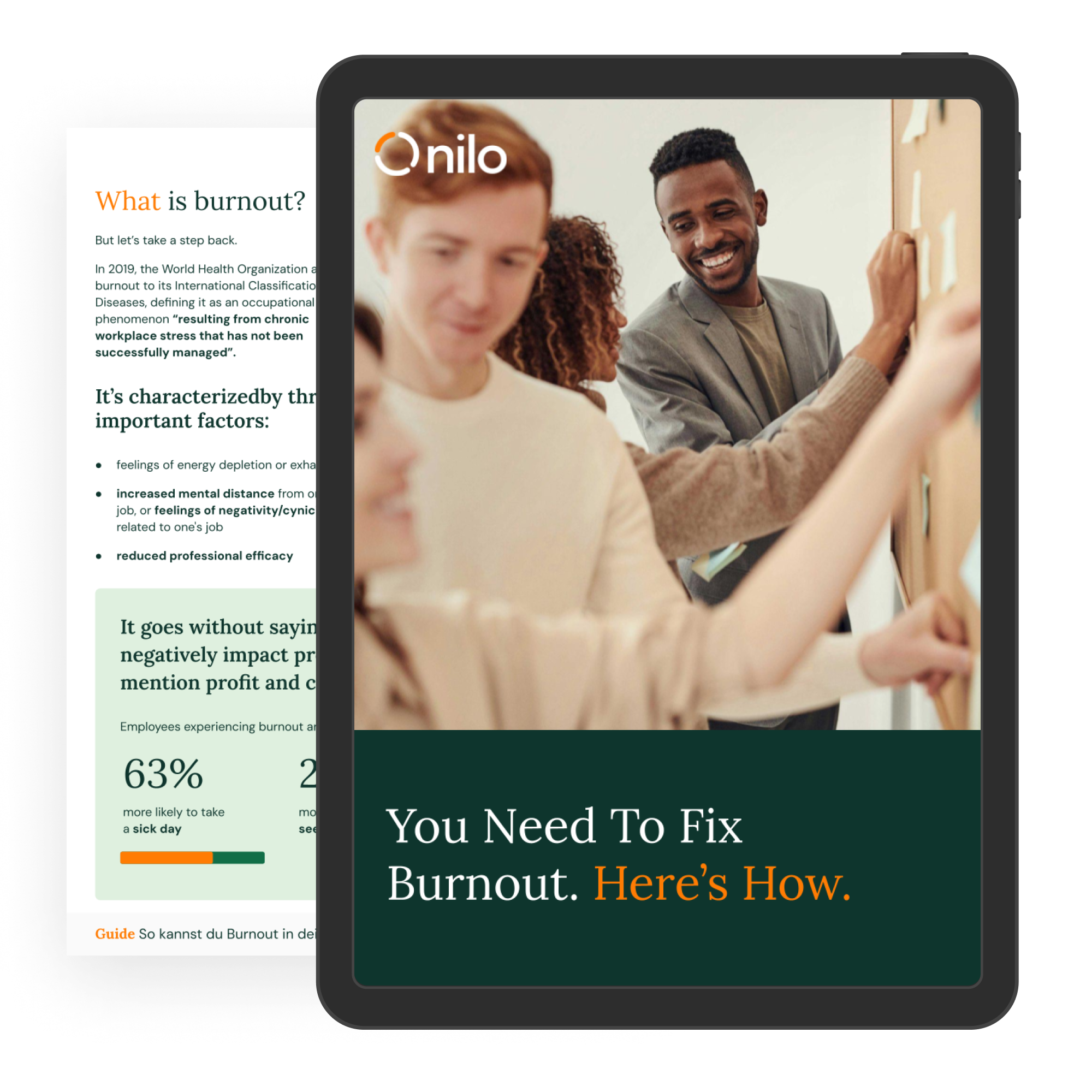
The World Health Organization (WHO) defines burnout as an occupational phenomenon resulting from chronic workplace stress that has not been successfully managed. It is characterized by emotional exhaustion, cynicism, and reduced professional efficacy. At its worst, it leads to employees taking months of sick leave or even leaving their jobs completely.
The key to understanding early burnout is in the second half of that definition: stress that has not been successfully managed. By its very nature, we can see that there is an alternative here — stress that is successfully managed, avoiding burnout along the line. We can’t avoid stress completely in the workplace, but we can deal with it in healthy and holistic processes that avoid chronic stress.
That’s why early detection and intervention are essential. Addressing burnout in its early stages benefits not only employees but also the organization, reducing absenteeism, turnover, and productivity losses.
The Five Stages of Burnout
Burnout doesn’t happen overnight. In fact, health professionals agree that it goes through five distinct phases that are important to watch out for. They are:
- Honeymoon Phase: That’s right — the first stage of burnout is one actually associated with positive emotions. You might feel energized and optimistic, but look out for the feeling of being too obsessed with work. Are other people in your life noticing that you seem distracted when not at work? Balance is key.
- Onset of Stress: Now, stress begins to creep in. You’ll notice some days are harder than others. Deadlines and tasks pile up around you and no sooner have you solved one problem than another arrives. You might find your optimism waning and your productivity diminishing, as well as other stress symptoms: tiredness, irritability, anxiety, losing focus more easily, changes in appetite or diet, poor sleep, or headaches.
- Chronic Stress: Your stress is not a ‘bad day’ moment anymore: it’s constant. Your nervous system is always on alert, and your symptoms will become more intense. You’ll be easily triggered and you might find yourself getting chronic infections or illnesses as your poor mental health affects your physical health.
- Burnout: After your nervous system operates in survival mode for too long, you lose the ability to cope or function as you normally would. You find it difficult or impossible to cope with the demands of work or life, and your physical symptoms also increase or intensify. This is usually the place where you are forced to take a step back for some weeks or months or even years to recover.
- Habitual Burnout: Sadly, if you ‘battle through’ your burnout or come back to work too early, burnout may become indelibly embedded in your life and health. This can lead to long-term serious symptoms including depression and chronic fatigue.
Identifying the Early Stages of Burnout
As the five stages of burnout make clear, there are signs to watch out for across every phase. Most important in terms of detecting the early stages of burnout are the honeymoon and onset of stress phases, which present unique warning signs that HR professionals and leaders must watch for:
Overcommitment to Work
- Signs: Lack of clear boundaries, accepting every task, unrealistic deadlines or over-optimism about how much work is manageable.
- Example: After a promotion, an employee is so excited and motivated that you notice them replying to emails and Slack messages well before or after usual business hours, and working late into the evening.
Subtle Emotional Changes
- Signs: Increased irritability, feelings of emotional exhaustion, or detachment from work.
- Example: An employee who was once engaged may appear frustrated over small issues or less enthusiastic about their role.
Behavioral Shifts
- Signs: Reduced participation in meetings, procrastination, or slower response times.
- Example: A team member might avoid volunteering for projects or become increasingly unresponsive to emails.
Physical Indicators
- Signs: Complaints about persistent fatigue, headaches, or trouble sleeping.
- Example: Employees may frequently call in sick or mention feeling physically unwell.
Performance Warning Signs
- Signs: A slight but noticeable decline in productivity, creativity, or quality of work.
- Example: Deliverables that were once polished and timely may start arriving late or incomplete.
Recognizing these early indicators provides an opportunity to step in and provide support before burnout fully develops.
Why Workplace Culture Must Prioritize Early Detection
A workplace culture that prioritizes well-being is instrumental in preventing burnout. Early detection starts with awareness—both among leadership and employees. HR professionals and managers should foster an environment where employees feel comfortable discussing stressors or workload challenges.
Building a Culture of Early Detection
- Awareness: Educate managers on the early signs of burnout and empower them to act when they notice red flags.
- Safety: Create a nonjudgmental space where employees can share concerns without fear of retaliation.
- Proactive Leadership: Shift from reactive measures (addressing burnout after it happens) to proactive solutions that catch burnout in its early stages.
In general, evidence shows that preventative mental health support is always incredibly effective. When it comes to reducing stress (and therefore addressing the second stage of burnout), a mental health support platform like nilo makes a big impact: 71% of users struggling with stress improve after using nilo.
How to Prevent Burnout by Catching It Early
Preventing burnout starts with identifying and addressing its root causes. Here are practical strategies for HR professionals and leaders:
Regular Employee Check-Ins
Schedule frequent one-on-one meetings where employees can openly discuss their workload, challenges, and stress levels. Use open-ended questions to gain deeper insights, such as:
- “How are you feeling about your workload?”
- “What challenges are you currently facing?”
Monitor Subtle Workplace Trends
Track workplace dynamics for early warning signs, such as increased absenteeism or reduced collaboration. Conduct pulse surveys to gauge employee engagement and stress levels, and use the data to make informed adjustments.
Provide Resources for Self-Awareness
Equip employees with tools to recognize their own early burnout signs. For example:
- Offer stress management workshops
- Promote mindfulness practices or journaling to help employees self-reflect
- Share educational resources on burnout symptoms and prevention
- Provide mental health support, so employees can access professional help to relieve stress
Promote Preventative Measures
Encourage short-term stress relief initiatives that make a big impact, such as:
- Flexible working hours or remote work options
- Mental health days or team-building activities
- Clear boundaries around after-hours communication to prevent overwork
- A mental health support platform to build a psychologically safe workplace culture

Actionable Steps for HR and Leaders to Address Early Burnout
Once early signs of burnout are identified, HR and leadership teams must act quickly and effectively:
Training Leaders to Spot Burnout Early
Provide leadership training focused on recognizing and responding to burnout. Equip managers with empathetic communication strategies to address employees’ concerns, such as:
- Active listening techniques
- Encouraging employees to share workload concerns without fear of repercussions
Establish Early Intervention Protocols
Develop a system for escalating concerns about burnout. For example:
- Create a checklist for managers to document potential burnout signs
- Ensure HR has a streamlined process for connecting employees to mental health resources or adjusting workloads
- Implement mental health support with guided strategies to monitor and prevent burnout
Leverage Data to Stay Ahead
Use HR analytics to monitor patterns, such as absenteeism, performance declines, or survey feedback. Early trends can indicate potential burnout hotspots, enabling proactive interventions. A mental health platform like nilo can also provide you with anonymized data about your workforce, offering the chance to spot warning signs and rising stress levels.
Prevention Is Better Than a Cure
Burnout is a significant challenge in today’s workplaces, but addressing it early is key to mitigating its impact. By recognizing the subtle signs of burnout and fostering a culture of openness and support, HR professionals and leaders can safeguard their teams’ well-being and productivity.
Take action today. Assess your workplace culture, implement strategies to catch burnout early, and create a healthier, more resilient organization. Remember, tackling burnout early is not just an investment in employees—it’s an investment in your company’s success.